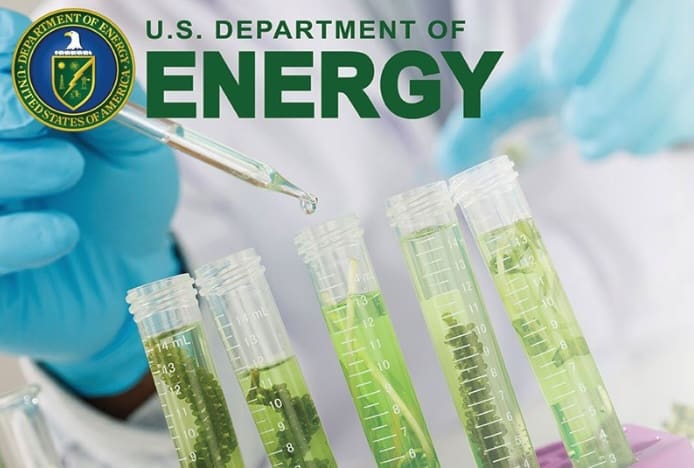
The U.S. Department of Energy’s Bioenergy Technologies Office (BETO) and Office of Fossil Energy and Carbon Management (FECM) have announced $20.2 million in funding for 10 university and industry projects to advance mixed algae development for low-carbon biofuels and bioproducts. Located in seven states, these selected projects will address high-impact research and development focused on converting algae, such as […]

Biostimulants are substances that improve plant health by enhancing metabolic and physiological mechanisms such as nutrient uptake and tolerance to environmental stresses. Diverse microalgae species have become an attractive source of biomass due to their several organic compounds with biostimulant activity. The composition of these biostimulants can vary depending on microalgae species and its growth […]
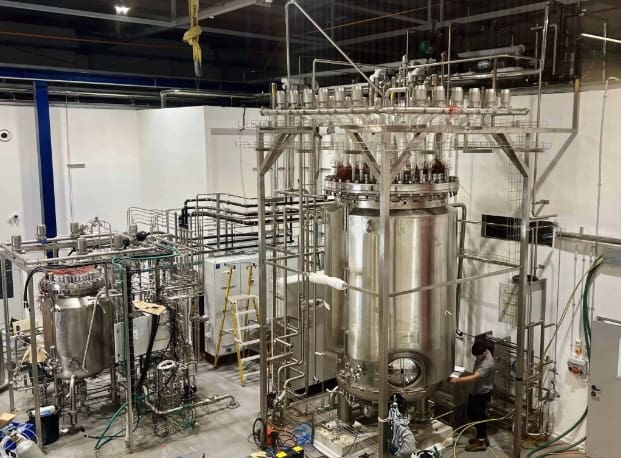
Israel’s Brevel, a biomass fermentation startup producing microalgae proteins, announces that it has completed the construction of its demonstration facility and secured two commercial agreements with leading F&B companies. The startup inaugurated a new site in Southern Israel this June, featuring headquarters, R&D space, and proprietary industrial-scale fermenters. The facility has been designed to implement a First-Of-A-Kind (FOAK) strategy […]
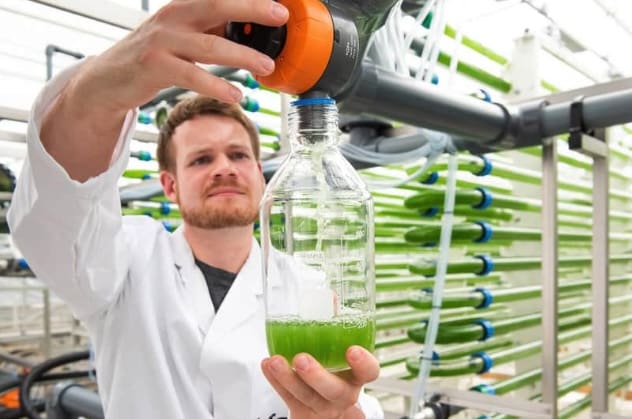
Today, we bring two microalgae innovations unlocking an alternative protein source with remarkable nutritional and sustainability benefits for the growing population. Microalgae used for protein production have a higher yield than crops such as soybeans and wheat, and use less water and land. They are considered an ideal source for producing nutritious and digestible food in the future when climate change […]

A new University of Texas, Arlington (UTA) study on the algae-jellyfish relationship has implications for both humans and coral reefs. Marine animals like jellyfish, corals, and sea anemones often live with algae inside their cells in a symbiotic relationship. The animals give the algae nutrients a place to live; in return, algae give the animals […]
“We are facing an existential crisis,” said Chilton, who is a professor and the director of the Center for Precision Nutrition and Wellness in the School of Nutritional Sciences and Wellness at the College of Agriculture, Life and Environmental Sciences. “The world population will be around 10 billion people by 2050. That means we need to increase food production to feed […]

Chicago, US-based alt-seafood start-up Aqua Cultured Foods has obtained self-GRAS status in the US, following a recent review by an independent panel of qualified scientific and toxicology experts. GRAS independent conclusion gives Aqua the green light to sell its products to consumers in the US. Aqua’s first products – tuna and scallops – are made […]
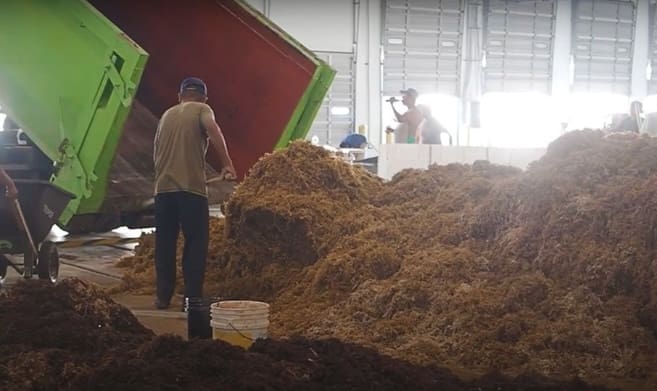
There’s a problem piling up on the shores of Mexico’s famous Yucatan Peninsula. Since 2011, a brown seaweed called sargassum has been drifting onto the popular beaches of Quintana Roo. In 2019, it got so bad that local officials declared a ‘seaweed emergency’. The unprecedented recent influx of Sargassum seaweed on coastal shores demonstrates […]
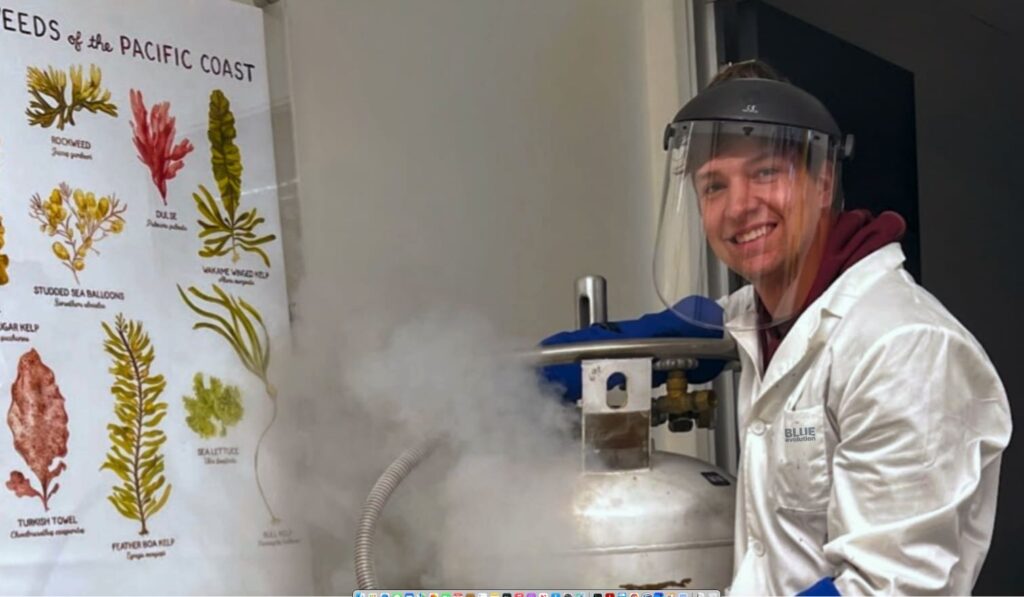
Blue Evolution Inc., an innovator of regenerative blue biotechnology, and Blu3 Inc., a company that specializes in regenerative ocean technologies, have announced their merger. This strategic move creates a vertically integrated company with expertise in seaweed farming, bioproduct development, and market-ready applications across food, agriculture, biomaterials, and critical minerals. https://www.einpresswire.com/article/754392161/blue-evolution-and-blu3-merge-to-drive-industry-leadership-in-sustainable-seaweed-innovation
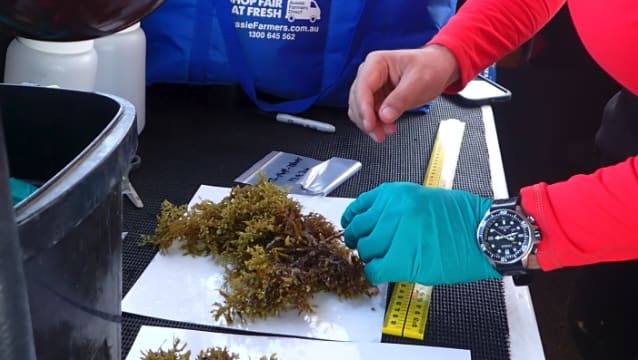
AIMS scientists have completed the first in a series of planned field trips to Western Australia’s tropical seaweed meadows to understand the nutrient levels required to maximise growth of Sargassum (a common tropical seaweed). The trip was part of the Blue Carbon Seascapes project to find out if Sargassum can provide a nature-based solution to help reduce climate change impacts by […]