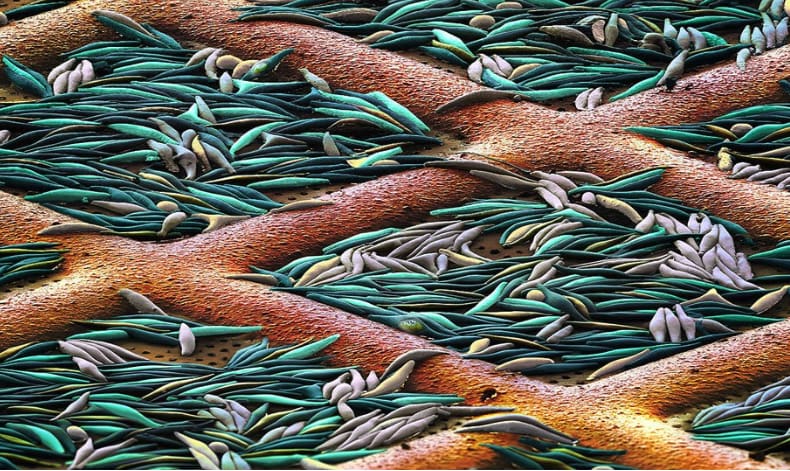
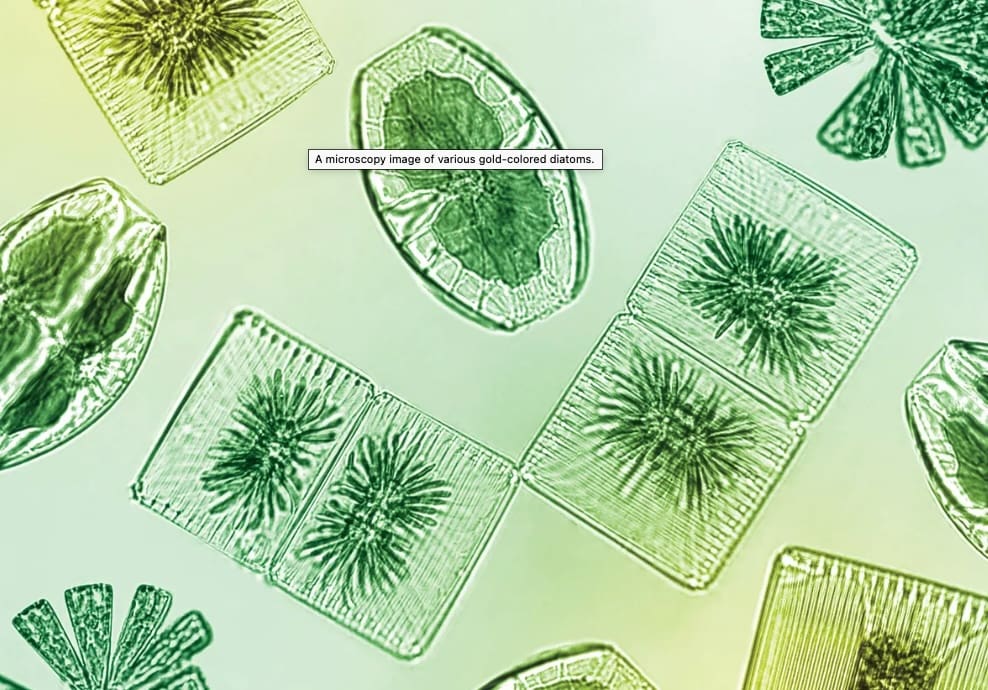
Tiny diatoms in the ocean are masters at capturing carbon dioxide (CO₂) from the environment. They fix up to 20 percent of the Earth’s CO₂. Prof. Ben Engel’s team at the Biozentrum of the University of Basel has now discovered a protein shell in these algae that is necessary for efficient CO₂ fixation. This groundbreaking […]
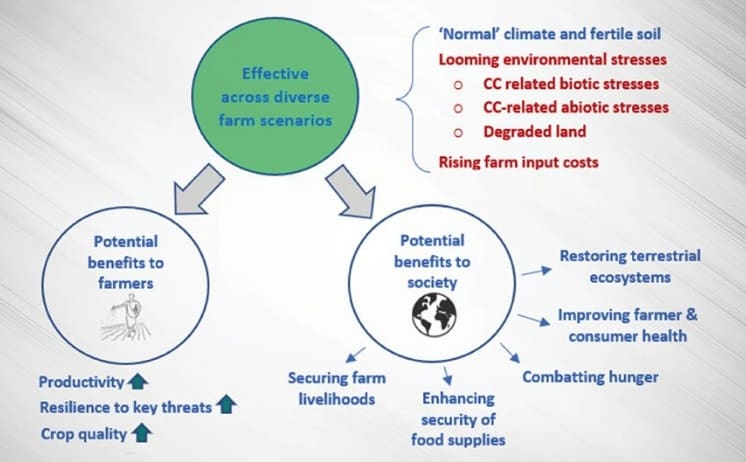
Research by a team at University of Malta’s Institute of Earth Systems is looking at how microalgal inputs might offer options to support agricultural production, including both crop support and livestock support. The evidence summarised by their new academic paper, Microalgae-Based Crop Support Technologies Show Multifaceted Promise Well-Suited to Looming Threats, suggests great technological potential for […]
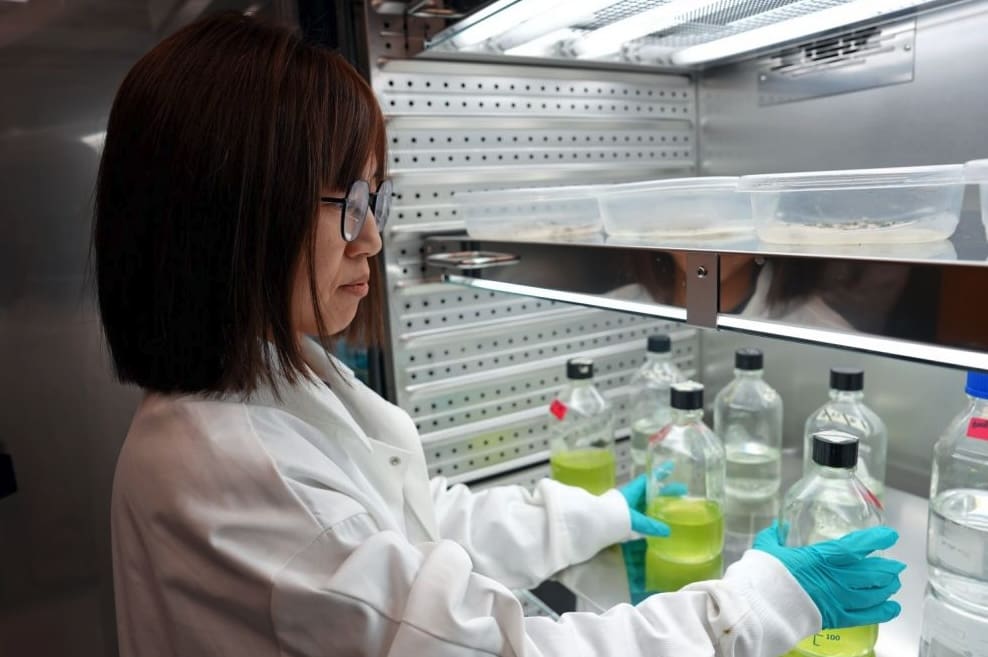
UConn students and faculty are taking two teams to the final for the U.S. Department of Energy’s AlgaePrize competition. The interdisciplinary teams will develop sustainable, algae-based products for use as a poultry feed supplement and food preservative.
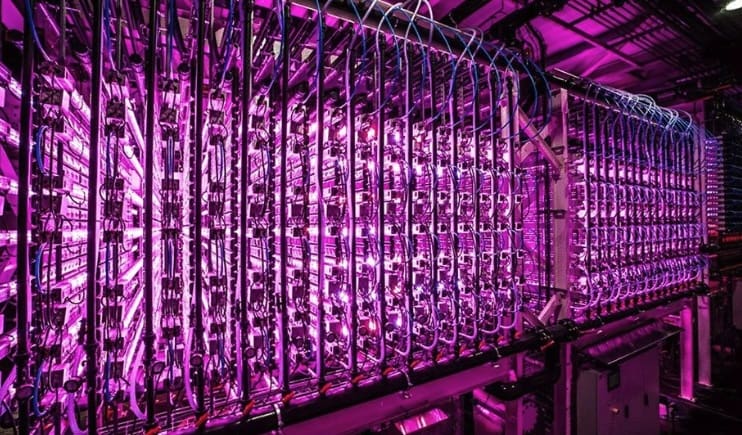
In new research published in the scientific journal Discover Food, Dr. Asaf Tzachor, Founder and Academic Director of the Aviram Sustainability and Climate Program at Reichman University, along with a team of researchers from Iceland, Denmark and Austria, report the use of state-of-the-art biotechnology to cultivate photosynthetically-controlled Spirulina, and produce carbon–neutral and nutritious biomass containing […]

Using the power of fermentation, the US startup Algae Cooking Club produces, in just three days, a chef-grade cooking oil derived from microalgae using significantly fewer resources and emitting less carbon than traditional vegetable oils. Algae Cooking Club: Omega-9 Packed Microalgae Oil with Superior Sustainability and Smoke Point
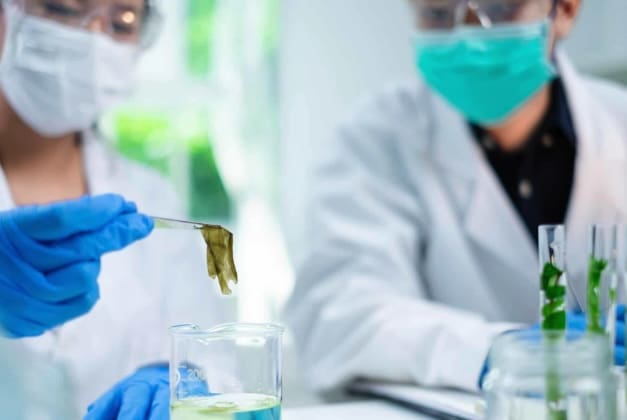
The National Algae Association (NAA) continues to foster collaboration between academia and the algae industry through its Algae Production Incubator Program. The initiative aims to lower risks for algae startup companies while providing valuable training opportunities for microbiology students. National Algae Association Expands Algae Production Incubator Program
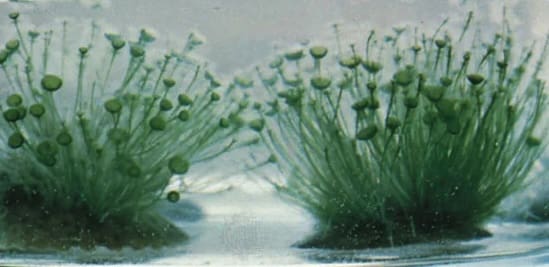
Algae, members of a group of predominantly aquatic photosynthetic organisms of the kingdom Protista. Algae have many types of life cycles, and they range in size from microscopic Micromonas species to giant kelps that reach 60 metres (200 feet) in length. Their photosynthetic pigments are more varied than those of plants, and their cells have features not found among plants and animals. In addition […]
At present, Earth is the only planet known to be capable of supporting life. But despite the fact that humanity cannot reasonably exist anywhere else, the way that humans currently live on this planet is simply not sustainable in the long term. From resource-intensive agriculture and pollution to climate change and global biodiversity loss, humans must fundamentally alter […]
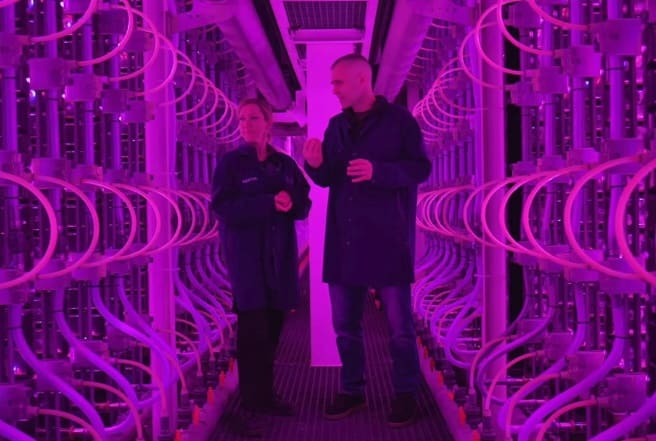
Wth short summers, a cold climate, and a landscape of lava fields and glaciers, Iceland’s not the first place you’d link with food production. But pioneering entrepreneurs are growing some surprising crops and doing it sustainably. BBC News shares this video of farming innovation using green energy to produce fresh produce in a cold climate. […]
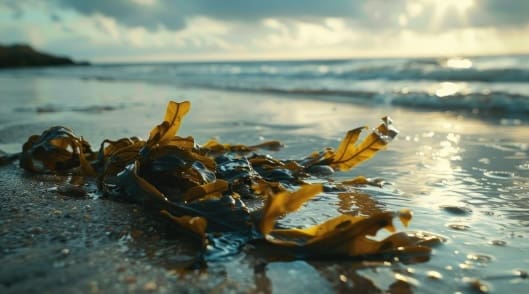
Sargassum mats piled up on beaches release hydrogen sulfide as they decompose. The gas smells like rotten eggs; it can irritate the eyes, nose, and throat and have a negative impact on tourism, the primary economic driver in many locations. The mats must then be removed, often by hand, where they go to landfills and […]