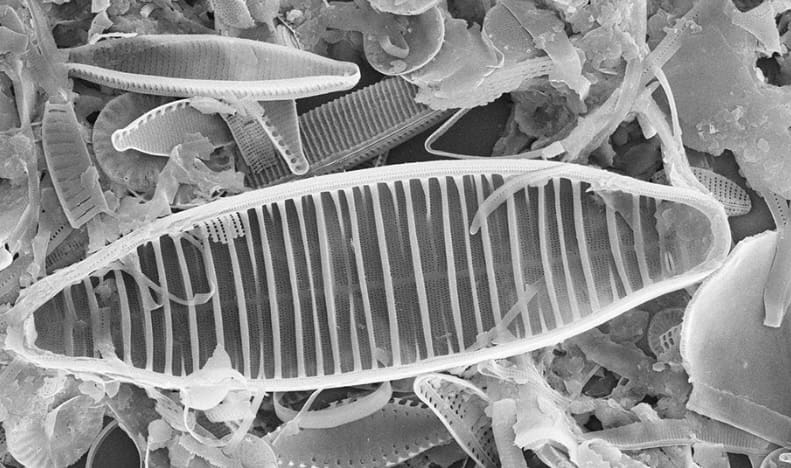
Researchers at the University of Duisburg-Essen, in North Rhine-Westphalia, Germany, have developed a new method for polluted water purification using algae. Their recent study demonstrates that the fossil remains of diatoms (a type of algae) can efficiently remove contaminants from water after being chemically modified. Europe’s water bodies are in poor condition: more than half […]
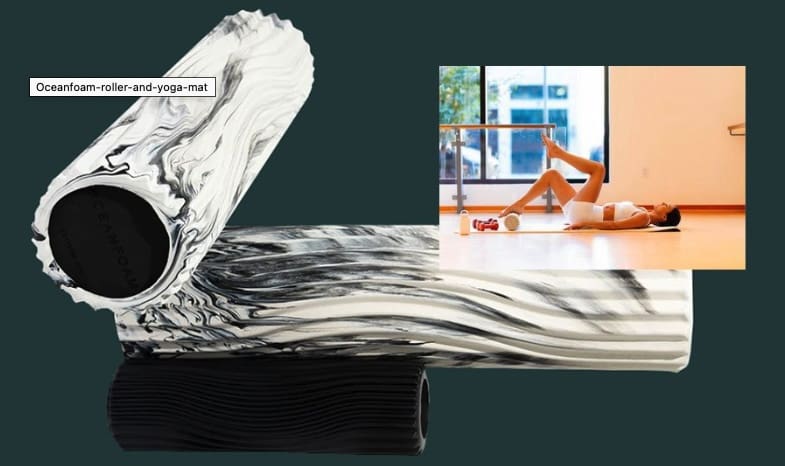
Oceanfoam, an active lifestyle brand committed to sustainability, has achieved a carbon positive status going into 2025, according to the company. A newcomer in the fitness and wellness industry, the company’s intention is to revolutionize the fitness industry and help the planet, by making a significant environmental impact and raising awareness. The company designs fitness […]
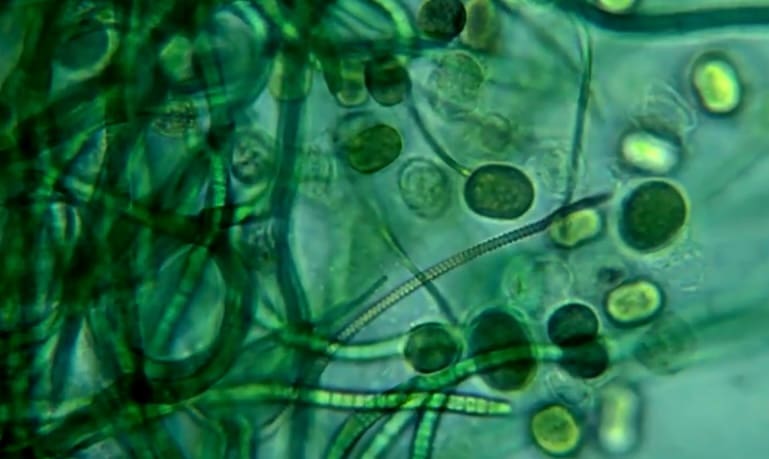
A recent study conducted by researchers at Concordia University developed an innovative method to generate clean energy using algae. In order to harness the power of photosynthesis, the team created micro photosynthetic power cells capable of capturing electrons produced during this natural process and converting them into a continuous electric current. https://algaeplanet.com/best-of-24-concordia-team-studies-algae-for-carbon-negative-clean-energy/?utm_source=mailpoet&utm_medium=email&utm_source_platform=mailpoet&utm_campaign=none
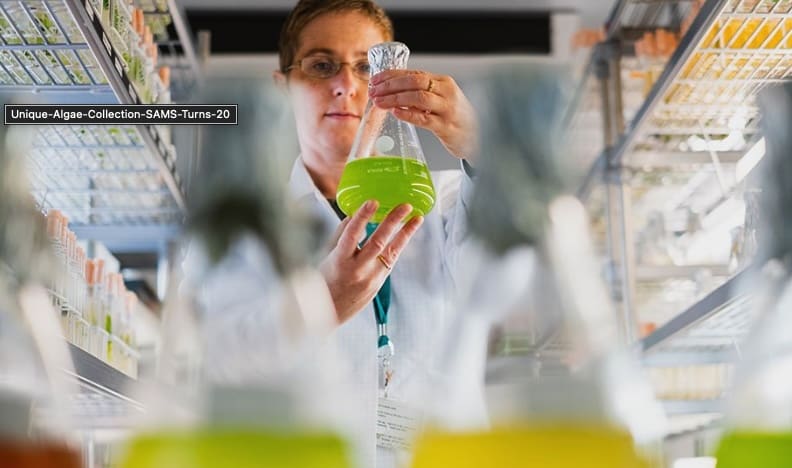
A unique algae collection of microscopic marine and freshwater species that began a century ago has nearly doubled in size in the 20 years it has been based at the Scottish Association for Marine Science (SAMS) in Oban. The Culture Collection of Algae and Protozoa (CCAP) is one of the world’s most biodiverse collections, looking […]
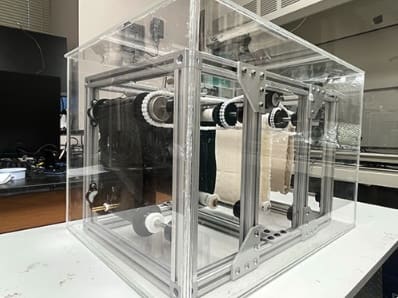
Peter He and a team of researchers are developing novel technology that converts pulp and paper mill flue gas (carbon emissions) and aquaculture wastewater into algae-based protein for aquafeed pellets. In short, they’re turning pollution into fish food. https://eng.auburn.edu/news/2024/12/researchers-earn-doe-grant-to-convert-polluted-waste-into-aquafeed
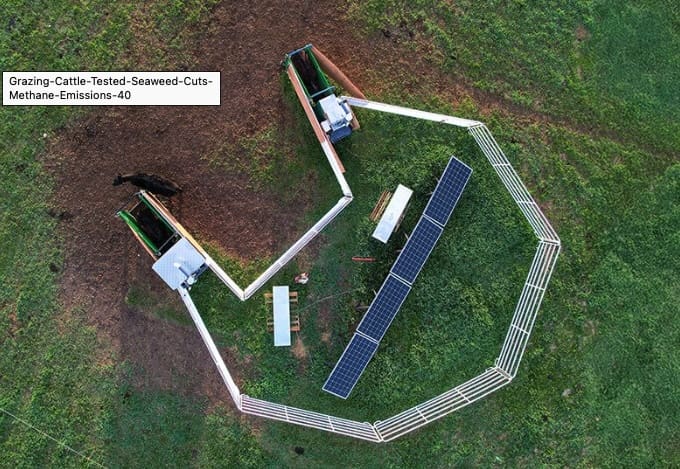
Seaweed is once again showing promise for making cattle farming more sustainable. A new study by researchers at the University of California, Davis, found that feeding grazing beef cattle a seaweed supplement in pellet form reduced their methane emissions by almost 40% without affecting their health or weight. The study was published today (Dec. 2) in Proceedings […]
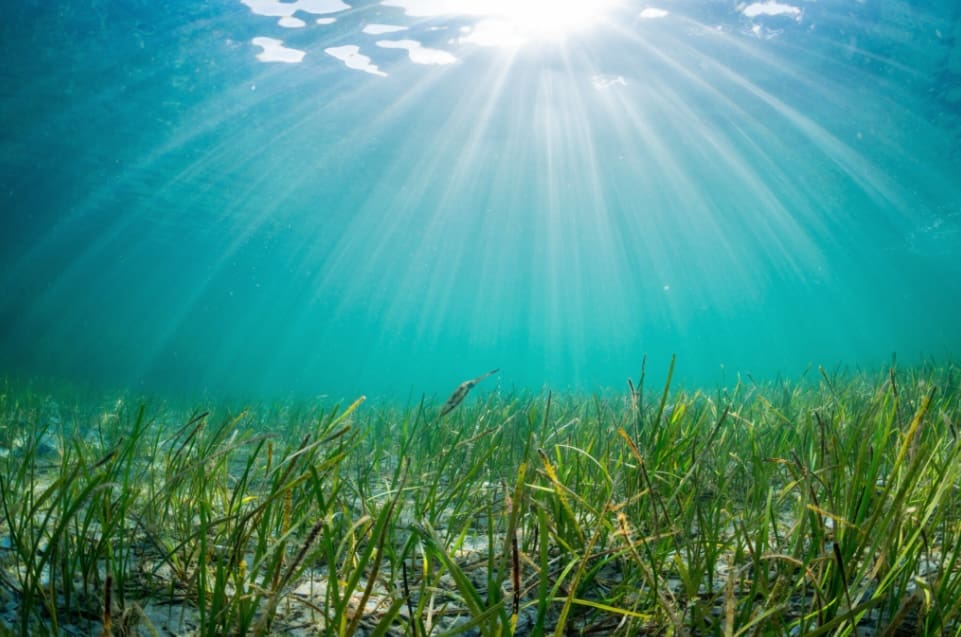
By looking at the tiniest virus-infected microbes in the ocean, researchers are gaining new insights about the marine food web that may help improve future climate change predictions. The new study, co-authored by Wake Forest Assistant Professor of Biology Sheri Floge, brings together viral ecologists, chemists and physicists to find out more about marine microbes and […]
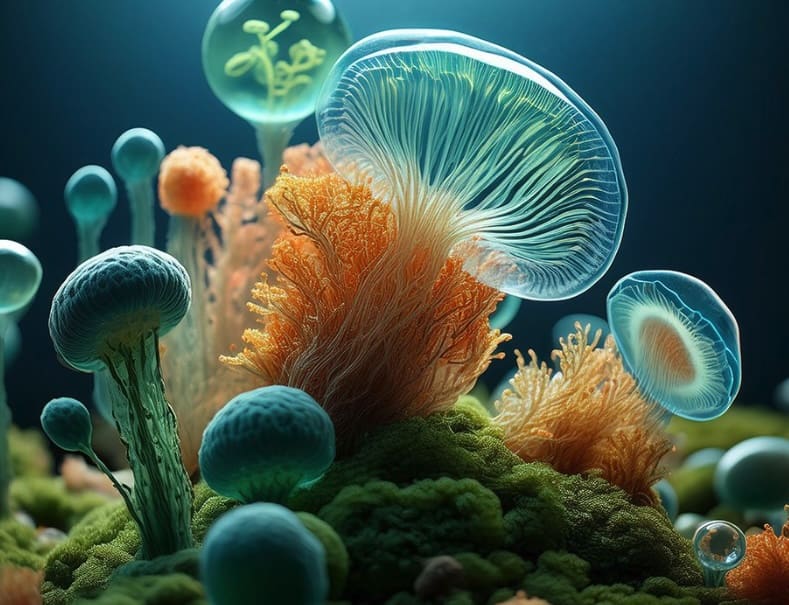
Algae are a vast group of photosynthetic organisms, ranging from microscopic species (microalgae) like chlorella and phytoplankton, to large multicellular species (macroalgae) like kelp and seaweed. The history of algae stretches back billions of years, as these diverse, simple organisms have played an essential role in shaping Earth’s environment and biological evolution. https://algaeplanet.com/a-brief-history-of-algae/?utm_source=mailpoet&utm_medium=email&utm_source_platform=mailpoet&utm_campaign=none
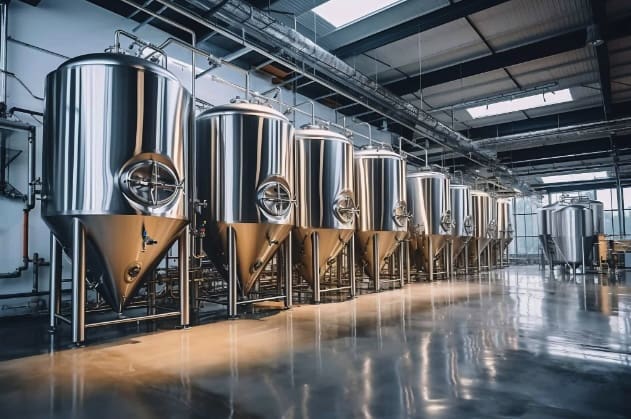
In the world of advanced science and technology, breakthroughs often come from unexpected places. For Hydrosome Labs, the game-changer is ultrafine bubbles—or nanobubbles—an innovation poised to reshape fermentation processes across industries like brewing, biopharma, and precision fermentation.
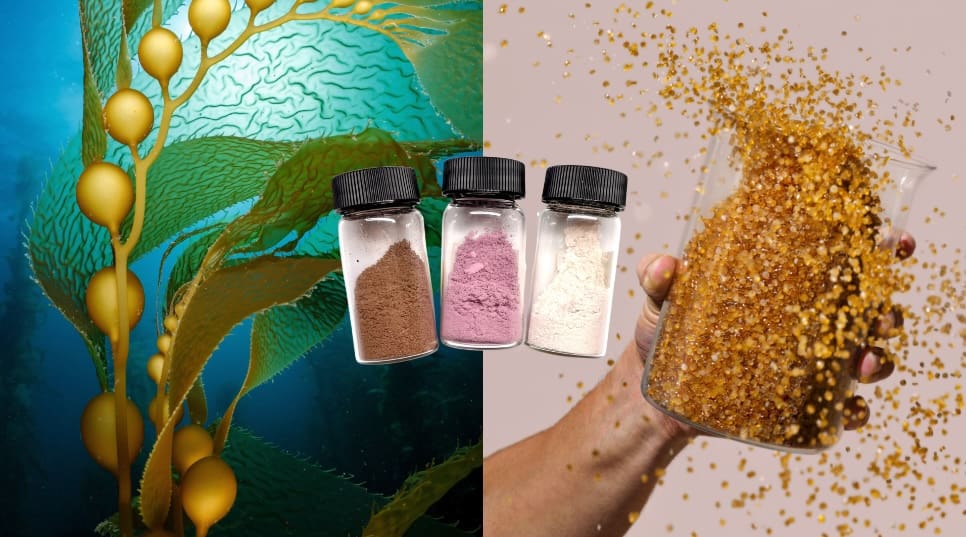
Berkeley, CA – Bay Area-based seaweed innovation startups Umaro and Sway have been awarded a Department of Energy (DOE) Mixed Algae Conversion Research Opportunity (MACRO) grant of $1,500,000 to innovate new processing techniques that upcycle alginate sidestreams from Umaro’s seaweed protein production into Sway’s seaweed-based bioplastics. https://swaythefuture.com/press-release-macro-grant