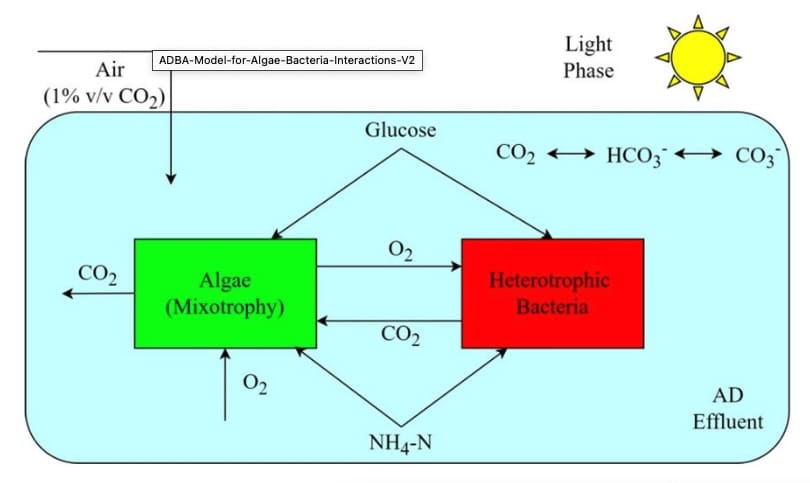
Microalgae have emerged as a promising solution for wastewater treatment due to their high metabolic efficiency and ability to utilize nutrients. However, large-scale algal cultivation faces challenges such as high production costs and the need for freshwater. A new study published in the Journal of Bioresources and Bioproducts presents an ADBA model that addresses these challenges by optimizing algal […]
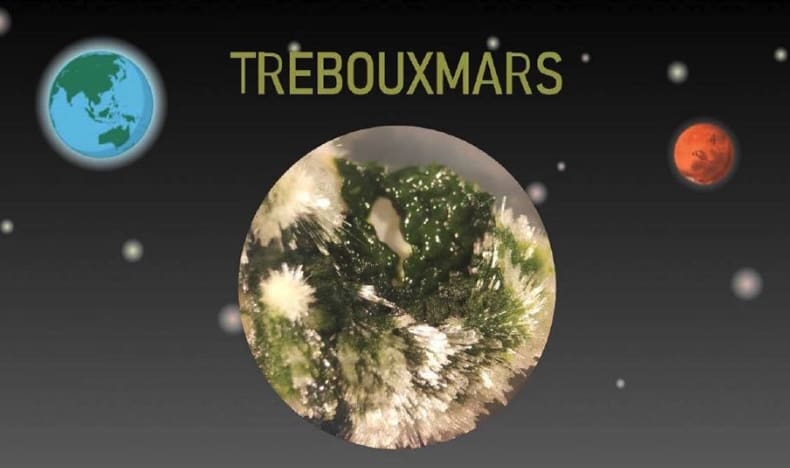
It’s a long way to Mars, and explorers headed there will either have to take enough food and supplies to last the whole trip or use in-situ resources to make what they need. A recent ESA Discovery project led by the Universitat de València explored whether microalgae extracted from lichen — Trebouxiaceae — could survive […]
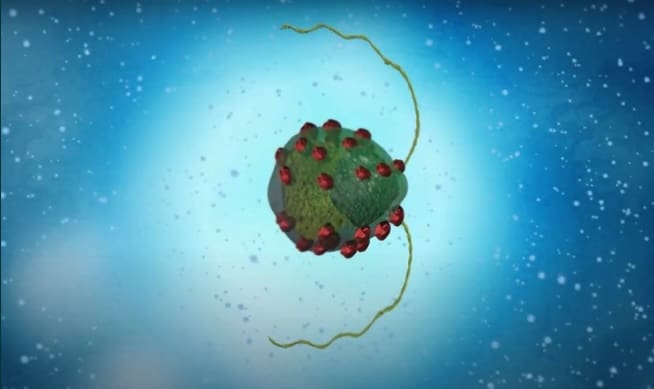
Scientists at the Max Planck Institute for Intelligent Systems have coated a single-celled green microalga with a magnetic material and created a magnetic microalgae robot. In nature, the ten-micrometers small algae are fantastic swimmers, propelled by their two whip-like flagella at the front. The scientists found that the microrobots maintained their swimming speed after magnetization, […]
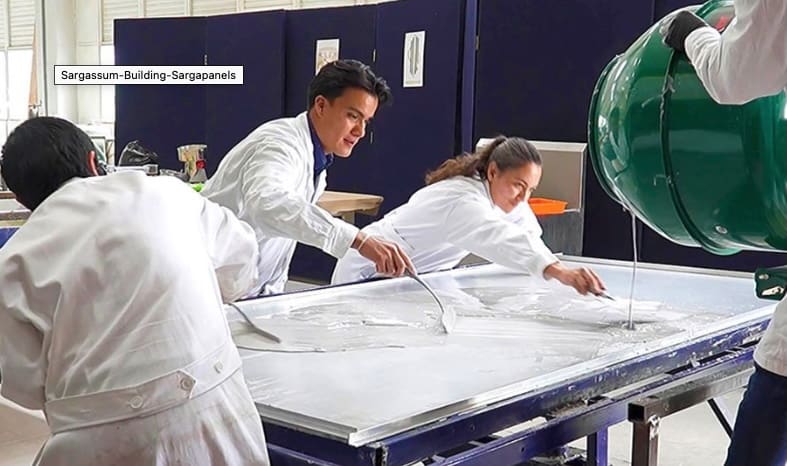
What if a tourism-wrecking blight of unwanted macroalgae in the Caribbean could be repurposed into a valuable building resource, such as construction panels? Taking it a step further, what if it could be developed with a high resistance to bending, fire, and had good thermal insulation properties? This is exactly what is in development at […]

Is algae oil the future of aviation? Discover how scientists are revolutionizing air travel with sustainable jet fuel made from microalgae. In this video from the European Science Communication Institute, we visit the EU researchers on the SusAlgaeFuel project, exploring innovative solutions to create environmentally friendly aviation fuel and significantly reduce the carbon footprint of flying. Join […]
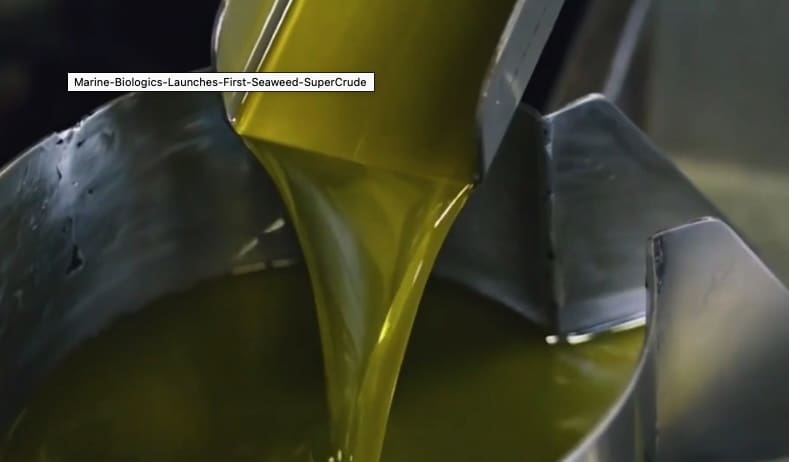
Biomaterials company Marine Biologics has launched SuperCrude™, described as the world’s first programmable biomass. Designed from seaweed to work with the company’s open-source cheminformatics models, SuperCrude enables customers to develop new compounds for next-generation innovations. The first commercial SuperCrude product supports the creation of natural emulsifiers for clean-label products across industries. Future versions for bioactives and proteins […]
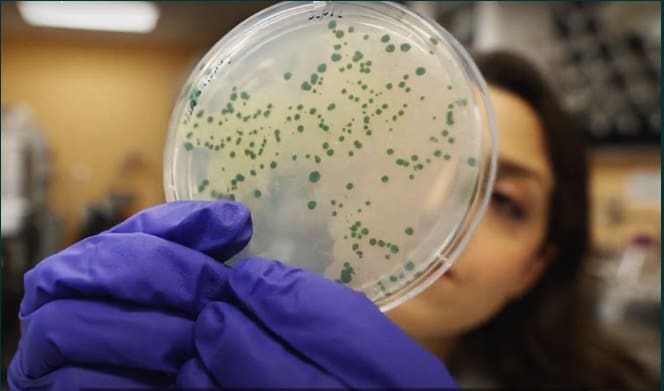
Professor Valerie Ward, Associate Professor of Chemical Engineering and director of the Microalgae Biomanufacturing Lab at the University of Waterloo, a public research university in Ontario, Canada, talks about her biomedical and biotech research interests. Ward is engaged with microalgae biomanufacturing using biological processes to manufacture products like antibiotics or proteins for pharmaceutical applications. “Biomanufacturing […]
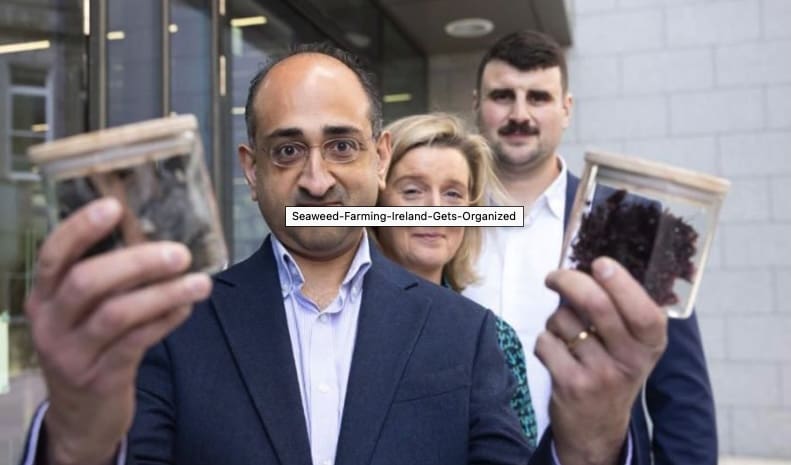
The untapped potential of seaweed farming in Ireland is the focus of the new Irish Seaweed Association, launched at an event at Trinity College, in Dublin, on February 28, 2025. Inspired by the Norwegian Seaweed Association model, the Irish Seaweed Association intends to unite industry stakeholders, policymakers, and researchers to unlock the potential of seaweed […]
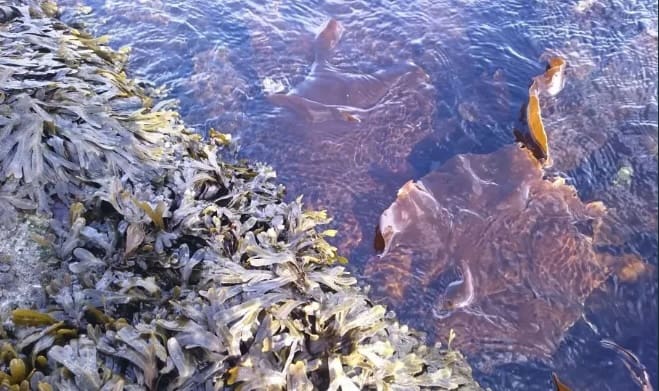
Fermented seaweed? Those who have tried it think it is much tastier than it sounds, and researchers in Sweden are now hoping that acidified seaweed, rather than today’s dried version, will signify a breakthrough for seaweed as a food source. Biotechnology researchers at Lund University have been experimenting with treating fresh seaweed with lactic acid bacteria (fermenting […]
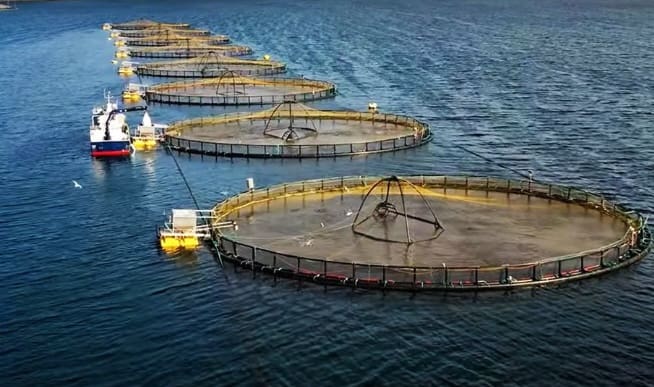
Traditionally big-farmed fish like salmon obtain their necessary omega-3 through consuming fish meal made of small oily fish, like anchovies. These small fish are wild caught, accounting for around 20% of all wild fishing — the majority of which could be eaten by people directly. And so, fish farming like this puts great strain on […]